Retail to Mixed Use: The Sunset Place redevelopment and the Future of Dead Malls
First, Midtown Development purchased the 10 acre Sunset Place site for 65.5 million dollars in 2020. This major acquisition signaled a massive shift in local commercial real estate. As a result, dead malls are rapidly evolving into luxury destinations across the country. The Sunset Place redevelopment perfectly illustrates this ambitious urban strategy. Developers clearly see the hidden value within these sprawling retail spaces.
Specifically, traditional shopping centers currently struggle with changing consumer habits. However, the South Florida luxury transformation provides a strong foundation for new investments. Median home listing prices in South Miami jumped from 700,000 dollars in 2019 to 1,049,000 dollars today. Consequently, local condominium prices also experienced substantial growth during this recent period.
Moreover, real estate professionals understand that modern buyers demand comprehensive lifestyle experiences. Shoppers no longer visit locations exclusively for retail store purchases. Instead, consumers actively seek dynamic environments featuring housing, dining, and entertainment options. Therefore, replacing empty storefronts with dense residential towers maximizes the underlying land value. These complex projects require careful planning and significant capital investment.
In addition, this article examines the strategic decisions driving these monumental property conversions. We will review the specific plans for modernizing obsolete shopping centers. Furthermore, we will analyze how these comprehensive upgrades impact surrounding neighborhoods. Ultimately, transforming abandoned retail hubs revitalizes entire communities and creates sustainable urban growth.
The Economic and Physical Scope of the Sunset Place redevelopment
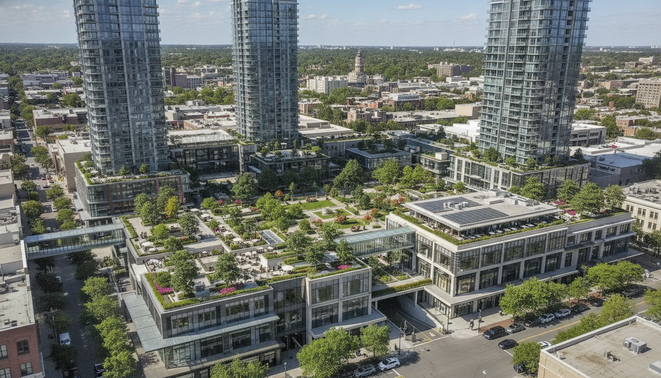
Sunset Place originally opened its doors in 1998. However, the property struggled as consumer preferences shifted. Therefore, Midtown Development completely reimagined the sprawling site. The proposed plan replaces the traditional enclosed mall structure. Instead, builders will construct a modern mixed use community.
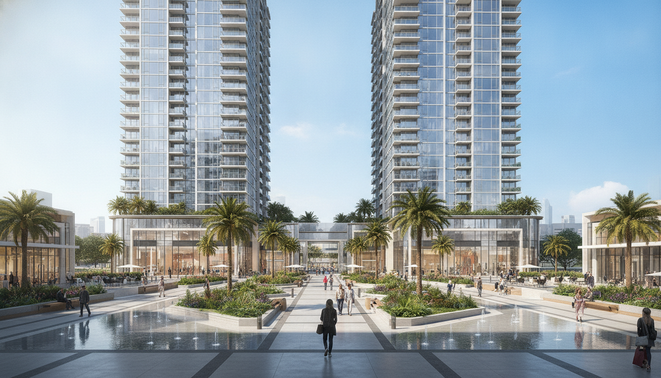
Specifically, the massive project features seven distinct vertical towers. These new structures range from 12 to 33 stories. Additionally, the master plan includes 1,500 new residential units. Developers will also integrate a hotel and movie theaters. Furthermore, the blueprint contains 150,000 square feet of retail space.
Of course, building massive structures requires deep structural foundations. Consequently, local officials mandated major utility and road upgrades. The necessary infrastructure improvements will cost 150 million dollars. Therefore, the Miami Dade County Commission closely monitors this progress. Ultimately, urban redevelopment at this scale demands vast resources.
Currently, leadership remains focused on long term community benefits. A representative shared their vision for the growing neighborhood. “Tackling Downtown South Miami’s significant infrastructure needs is an effort that will serve this community for generations to come. We look forward to continuing this work and sharing more with the public as our plans progress.”
Clearly, this massive investment creates a strong growth foundation. As a result, other investors notice the luxury real estate potential. Suburban retail centers rarely see this type of capital. Yet, this specific project proves that massive transformations work. Finally, construction teams prepare to execute the ambitious vision.
Undoubtedly, transforming a 1998 shopping center requires detailed engineering. Therefore, project engineers evaluate every square foot of land. Additionally, urban planners ensure the new roads handle traffic. Consequently, the surrounding South Miami mall area will improve. Overall, this strategic physical overhaul sets a regional standard.
South Miami Housing Market Trends
First, the local real estate market clearly demonstrates a massive luxury transformation. Therefore, property values continue rising rapidly throughout the surrounding community. As a result, buyers now pay significantly higher prices for homes near the project site. Ultimately, this data highlights the undeniable financial impact of modern urban upgrades.
| Property Type | 2019 Pricing | Today Pricing |
|---|---|---|
| Single Family Homes (Median) | $700,000 | $1,049,000 |
| Condominiums (Median) | $247,000 | $381,500 |
Consumer Sentiment and the Sunset Place redevelopment
Currently, consumer preferences shape modern commercial real estate strategies. Buyers no longer want isolated shopping centers. Instead, they demand dynamic environments featuring residential living and dining options. Consequently, urban developers must adapt to these changing market realities. An industry expert noted, “Traditional enclosed malls were designed around retail, but today’s consumers are looking for destinations that combine residential, dining, hospitality, entertainment, and outdoor public spaces into one experience.”
Naturally, long time residents feel a strong connection to the original property. Many locals remember the site during its peak popularity. One resident shared their emotional perspective on the massive changes. They stated, “A part of me feels like my childhood is dying. We all just want to see that area be busy and lively again. …. But if it’s going to continue to be delayed or if it’s going to be empty land for a long time, it definitely won’t be the best for us locals who grew up with that area because we just have so many fond memories, and to see it being unused and sit like that is disorienting.”
However, nostalgia cannot sustain massive commercial properties. Today, the existing structure struggles to attract daily foot traffic. Shoppers actively avoid the declining retail spaces. A local observer noted, “You feel uncomfortable walking through. It seems like there’s no demand, and people would rather not be in that area. They’d rather go to Dadeland Mall and shop there.”
Consequently, local business owners face immense uncertainty. Small operators struggle while waiting for the massive mixed use transformation. Ultimately, these delays create significant financial pressure on existing tenants. One merchant remarked, “We’re all sitting here waiting for the shoe to drop. I am interested in opening up a second business or moving elsewhere in the mall. But how long can we stay in the mall? I’m kind of at their mercy.”
Ultimately, developers must align the property with current housing market trends. Previously, wealthy buyers only purchased vacation properties in the region. Now, successful families make this area their primary residence. An expert observed, “A decade ago, many luxury purchases were second homes that sat empty for much of the year. Today, many of these buyers are relocating their families and businesses, making Miami their primary residence. That has completely changed what people prioritize.”
CONCLUSION
In summary, old retail spaces face big problems today. Therefore, developers actively convert these empty properties. Dead malls now offer great chances for new urban growth. Consequently, builders change empty buildings into lively mixed use communities. Ultimately, this smart shift meets the high demand for luxury housing.
Furthermore, large projects improve local economies everywhere. Property values rise as new roads help the nearby neighborhoods. Additionally, mixing tall homes with restaurants builds strong community ties. Thus, smart investors see huge profit potential in empty shopping centers. As a result, regional upgrades will inspire more national building trends.
Massive Capital is a private real estate investment firm that helps busy professionals and passive investors build wealth through ownership of income producing commercial real estate. The company acquires, operates, and manages real estate investments across multiple asset classes, including multifamily apartments, industrial properties, and land developments, while providing investors access to opportunities that are traditionally available only to experienced real estate operators and institutional investors. Massive Capital specializes in real estate syndications, pooling investor capital to acquire and manage large scale properties. The firm handles the entire investment lifecycle from sourcing and underwriting opportunities to asset management and eventual disposition allowing investors to participate in real estate ownership without the responsibilities of day to day property management.
Visit us online at Massive Capital Official Website for more information. Additionally, follow our updates on Massive Capital Instagram today. Furthermore, connect with us at Massive Capital LinkedIn online. Moreover, join our community at Massive Capital Facebook now. Finally, watch our video content at Massive Capital YouTube anytime.
Frequently Asked Questions (FAQs)
What does the Sunset Place redevelopment include for the community?
The ambitious project replaces a traditional enclosed shopping mall with a vibrant mixed use community. South Miami commercial real estate continues to evolve. Consequently, developers plan to construct seven tall towers ranging from 12 to 33 stories.
Key features include:
- 1,500 modern residential units
- A premier luxury hotel
- State of the art movie theaters
- 150,000 square feet of prime retail space
How much did Midtown Development pay for the original property?
Midtown Development purchased the sprawling 10 acre site in 2020. Furthermore, they paid exactly 65.5 million dollars for the entire property. This substantial financial investment officially launched the massive urban renewal initiative.
What are the current housing market trends in South Miami?
Local property values demonstrate extraordinary financial growth across the region. The median home listing price surged from 700,000 dollars in 2019 to 1,049,000 dollars today. Additionally, condominium prices increased from 247,000 dollars to 381,500 dollars during that exact same period. As a result, high demand fuels this competitive market.
How much will the new infrastructure improvements cost the developers?
A modern residential hub requires major structural road and utility upgrades. The necessary infrastructure improvements will cost 150 million dollars in total. Therefore, Miami Dade urban planning experts ensure this crucial funding allows the local area to properly support an influx of new residents.
When will builders finish the first phase of this construction?
Construction teams work diligently to complete the initial building stages on schedule. Phase 1 of the extensive project should finish by the year 2029. Ultimately, this exciting milestone marks a significant step in successfully transforming the obsolete dead mall into a thriving destination.