

Commercial real estate financing in the modern market
“I can’t remember the last commercial real estate acquisition I financed with only 20% down.” This striking reality highlights a major shift in the industry. Today, securing favorable terms requires much more capital upfront.
Commercial real estate financing has evolved significantly over the past year. As a result, bringing 25% to 30% equity to the closing table is becoming the new normal. Investors must adjust to these stricter capital demands across nearly every commercial asset class.
Furthermore, lenders are actively reshaping the capital stack. They now prioritize risk management over aggressive lending volume. Specifically, most commercial lenders currently require a Debt Service Coverage Ratio between 1.20 and 1.25. Consequently, a property’s net operating income must exceed its annual debt payments by a safe margin.
Therefore, understanding these new underwriting requirements directly helps you secure deals. Smart buyers know that completing successful commercial acquisitions demands a deeper understanding of these financial metrics. Ultimately, this article will explore how you can adjust your investment strategies to master higher equity standards.
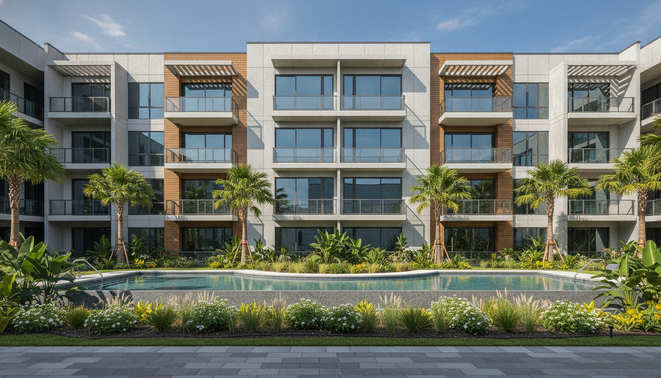
Why DSCR drives Commercial real estate financing today
“Today’s most important number may no longer be loan to value. It’s debt service coverage.” This shift forces investors to rethink their entire strategy. Previously, buyers focused heavily on LTV limits. However, the current financial climate demands a different approach. Most commercial lenders now require a Debt Service Coverage Ratio between 1.20 and 1.25. Consequently, securing favorable loan terms requires much stronger financial performance. Lenders want absolute confidence in your ability to repay. As a result, the DSCR dictates whether a deal actually closes. Investors can no longer rely on high property appraisals alone.
Understanding the math behind these requirements is crucial. Specifically, a DSCR of 1.20 to 1.25 sets a high bar. It requires a property’s net operating income to exceed its annual debt payments by 20% to 25%. This substantial buffer ensures the property generates enough cash. Furthermore, strong NOI protects lenders if rental markets soften. Buyers must carefully analyze their expected net operating income before making offers. In fact, income generation now drives the entire lending decision. As lenders often emphasize: “The first question isn’t, “What percentage are we willing to lend?” The first question is, “Can this property’s income safely support the mortgage payment?””
Strict underwriting based on NOI actively protects against default. Lenders want to avoid foreclosures at all costs. Therefore, they scrutinize your financial models relentlessly. You must present realistic income projections to secure capital. Additionally, this focus on cash flow benefits the investor too. A healthy buffer prevents you from losing the asset during tough times. Thus, achieving long term success requires mastering these exact metrics. Smart investors build models that easily meet these stringent banking standards.
Ultimately, DSCR overrides LTV in the current commercial landscape. Your property might have massive equity built up. However, lenders will deny the loan if the cash flow falls short. Consequently, traditional loan to value ratios take a back seat. You must prioritize strong operational performance over asset appreciation. In short, adapting to these new coverage requirements ensures your ongoing profitability.
Underwriting Paradigm Shift
| Focus Area | The 2021 Strategy | The Current Strategy |
|---|---|---|
| Primary Lender Focus | Loan to value limits | Debt Service Coverage Ratio |
| Capital Requirements | 20% down payment | 25% to 30% equity |
| Key Performance Metric | Property appraisal value | Net operating income |
| Borrowing Costs Impact | Lower costs enabling high leverage | Higher cost completely reshapes the capital stack |
| Primary Lender Mindset | What percentage are we willing to lend? | Can this income safely support the payment? |
Adjusting Commercial real estate financing strategies today
“Only the cost of borrowing changed. Yet that single variable completely reshapes the capital stack.” Rising interest rates severely impact modern investment models. Consequently, major adjustments are required to maintain overall profitability. The days of securing properties with a simple 20% down payment are gone. You must rethink how you fund every project.
Old strategies simply fail in this new financial environment. Jesse Brewer provides excellent insight into this exact problem. He is a local county commissioner in Boone County Kentucky. Additionally, he works as a real estate broker, investor, property manager, and private money lender. Brewer understands these complex market dynamics perfectly. He actively warns buyers about using outdated methods. He states clearly: “The investors who continue underwriting deals like it’s 2021 will keep wondering why transactions fall apart.”
Therefore, smart buyers must adapt their capital stack immediately. Proper restructuring of your equity actually preserves your cash on cash return. Placing more money upfront reduces your monthly debt burden. As a result, your property generates a stronger positive cash flow. Increased equity requirements might lower your initial leverage slightly. However, this solid safety net stabilizes your entire portfolio. Lenders demand this exact stability before approving large loans.
Ultimately, investors must be completely proactive in their underwriting. You should carefully analyze every single variable before submitting an offer. Successful buyers adjust their financial models to reflect these higher equity needs. Indeed, updating your strategy helps you secure necessary funding much faster. Adapting quickly ensures you remain highly competitive in acquiring prime commercial properties. Furthermore, understanding the current lending climate prevents costly investment mistakes. You can navigate the market safely with highly accurate calculations. Finally, mastering these new standards guarantees long term wealth generation.
CONCLUSION
Adapting to new equity realities is no longer optional. Furthermore, strict DSCR requirements permanently shifted how investors secure commercial properties. You must prioritize strong cash flow over aggressive leverage today. Consequently, partnering with experienced operators protects your capital completely.
This strategic alignment actively maximizes your long term returns. Therefore, choosing the right firm provides a perfect solution for navigating complex market changes. Massive Capital is a private real estate investment firm that helps busy professionals and passive investors build wealth through ownership of income producing commercial real estate.
The company acquires, operates, and manages real estate investments across multiple asset classes, including multifamily apartments, industrial properties, and land developments, while providing investors access to opportunities that are traditionally available only to experienced real estate operators and institutional investors. Massive Capital specializes in real estate syndications, pooling investor capital to acquire and manage large scale properties.
The firm handles the entire investment lifecycle from sourcing and underwriting opportunities to asset management and eventual disposition allowing investors to participate in real estate ownership without the responsibilities of day to day property management. You can easily connect with our team online today.
First, visit our official website at Massive Capital. Additionally, follow our updates on Instagram. Next, join our professional network on LinkedIn. Moreover, engage with our community on Facebook. Finally, watch our educational content on YouTube.
Frequently Asked Questions (FAQs)
What are the current equity requirements for commercial real estate financing?
Commercial real estate financing requires more upfront capital today. Consequently, bringing 25% to 30% equity is the new normal. The days of securing properties with a simple 20% down payment are completely gone. Lenders now demand a stronger financial cushion from buyers.
Why is the Debt Service Coverage Ratio important today?
The Debt Service Coverage Ratio is now the most critical underwriting metric. Most commercial lenders require a DSCR between 1.20 and 1.25. Therefore, lenders prioritize cash flow stability over simple property appraisals. A strong ratio proves your property can safely support the mortgage payment.
How does Net Operating Income affect loan approvals?
Your Net Operating Income directly determines your borrowing capacity. Specifically, your net operating income must exceed annual debt payments by 20% to 25%. Lenders carefully scrutinize these income projections before approving capital. Consequently, a strong income protects both the investor and the bank from default risks.
Does a high Loan to value ratio still guarantee funding?
A high loan to value ratio no longer guarantees commercial loan approval. Today, debt service coverage completely overrides traditional LTV metrics. Even properties with massive equity can face rejection. Ultimately, transactions will fall apart if the actual income cannot support the debt burden.
How should investors adjust their commercial acquisitions strategy?
Smart investors must immediately adjust their capital stack strategies. Placing more equity upfront actively preserves your overall cash on cash return. Furthermore, buyers should build financial models prioritizing net operating income over asset appreciation. Adapting quickly to these new banking standards ensures long term profitability.