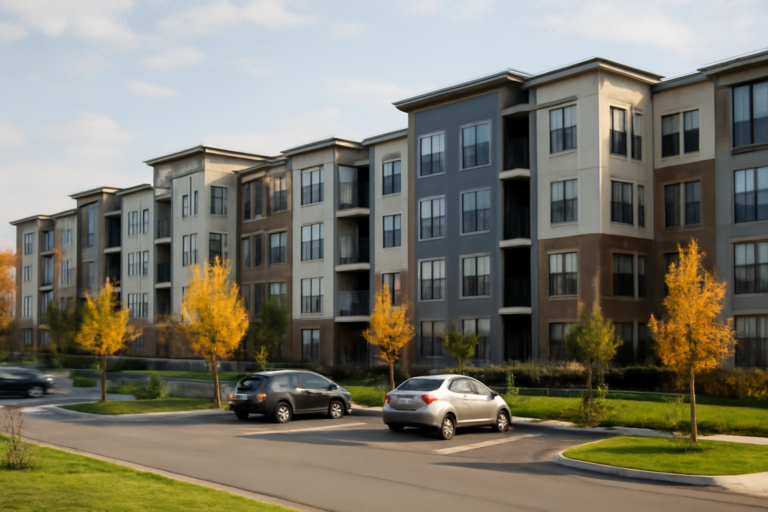

Housing market trends: Analyzing Shifts in Construction, Sales, and Rent vs. Buy Data
Analyzing current Housing market trends reveals key facts for real estate investors. For instance, in July, buying a starter home cost $858 more per month than renting one. Consequently, this high premium makes the Rent vs buy choice key for all. The large gap initially suggests a tough market for purchasing property. However, conditions are slowly shifting toward buyers despite this gap. Therefore, investors should watch these new signals closely.
Furthermore, recent reports from Realtor.com highlight this exact shift. Chief economist Danielle Hale provides clear details for these market changes. In fact, she observes a good trend for those seeking properties. She explains this shift clearly. "Home prices are falling faster than rents, while rising incomes are putting prospective buyers in a stronger position." As a result, the housing space looks much better today. Ultimately, buyers now hold more power than they did last year.
Also, increased building work supports this changing market. Builders are finishing more projects across major cities. Consequently, the expanded supply creates better prices. Additionally, pending sales figures show fresh interest from buyers. Thus, the overall market shows steady signs of balance. In conclusion, tracking these facts helps agents make smart choices.
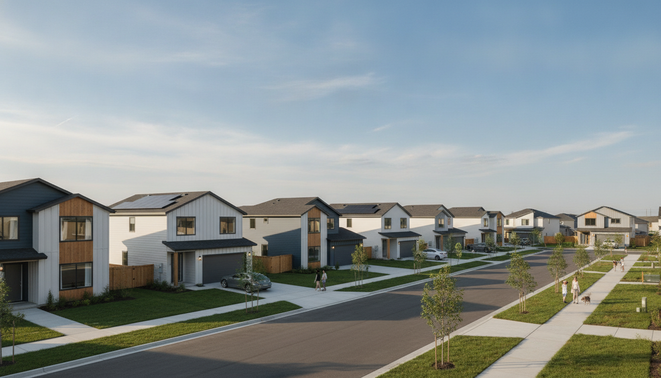
Housing market trends: Why 70% of Markets Now Favor Buyers
The real estate sector is seeing a major shift today. Currently, 70% of the 100 largest metros now favor buyers. Alternatively, these areas are rapidly moving in that direction. Consequently, this shift creates many Buyer friendly markets across the country.
This marks a significant increase from just 52% a year ago. Therefore, professionals can find new opportunities here. Inventory levels provide more good news for prospective purchasers. Specifically, there are 220,000 more homes priced below $350,000 for sale now.
This supply greatly exceeds the low levels seen in 2022. As a result, buyers have better access to affordable Starter homes today. Additionally, the median listing price for these properties recently fell. In fact, prices dropped 2.9% year over year in July.
Lower borrowing costs also contribute to this changing environment. Mortgage rates averaged 6.54% in July. This figure is down from 6.72% a year earlier. Consequently, cheaper financing helps offset other high market costs.
Furthermore, experts carefully analyze New construction data to understand this growth. They note that fresh building projects actively expand available inventory. Therefore, the overall market environment feels much more encouraging. One expert summarizes this positive trend clearly.
“For those who are ready to buy, the conditions are moving in their favor rather than against them.”
Ultimately, this changing dynamic gives purchasers much stronger negotiating power. Thus, the current data strongly supports a strategic market entry.
Rent vs Buy Cost Differences Across Key Markets
| City | Monthly Cost Difference (Renting vs Buying) | Key Trend |
|---|---|---|
| Orlando | Buying is $19 more | Nearly equal costs |
| Seattle | Renting is $1,961 less | Significant gap |
| Nashville | Renting is $1,158 less | Moderate gap |
| Oklahoma City | Renting is $628 less | Smaller gap |
Evaluating Housing market trends alongside Mortgage Rates
Current Mortgage rates show positive signs for the real estate sector. Specifically, borrowing costs averaged 6.54 percent in July. This number represents a notable decrease from 6.72 percent a year earlier. Consequently, this rate reduction helps improve overall buyer confidence.
Additionally, recent data confirms a strong desire for homeownership. According to a Bank of America survey, 53 percent of Americans favor buying over renting. Thus, public sentiment strongly aligns with purchasing property.
However, financing realities still present unique challenges for many shoppers. A real estate professional highlights this specific purchasing power issue clearly. "I’m working with people who make $80,000 [annual household income], and they’re getting pre approved for $165,000."
As a result, finding an affordable property remains quite difficult. Yet, decreasing borrowing costs slowly improve these financial dynamics. Therefore, analysts monitor Pending home sales closely to gauge future activity.
Investors and buyers must evaluate these shifting metrics carefully. Understanding these specific numbers helps professionals make informed commercial decisions. Consequently, observing these financial changes provides a clear competitive advantage. Below are three key takeaways for market participants.
- Lower borrowing costs directly increase overall market participation and enthusiasm.
- Survey data confirms that most people still strongly prefer homeownership.
- Current purchasing power limitations require buyers to search for affordable options diligently.
These financial indicators paint a comprehensive picture of current conditions. Furthermore, strategic buyers use this specific data to find undervalued properties. Therefore, tracking these exact metrics remains crucial for long term success.
You can see how lower rates boost purchasing power instantly. Ultimately, evaluating these details ensures better investments over time. Investors should adapt their strategies to match these emerging trends.
CONCLUSION
Renting currently remains cheaper across many major cities today. For instance, renting saves people significant money each month. However, the opportunity to purchase property is steadily improving.
Consequently, buyers face a much better landscape than before. Lower borrowing costs and rising inventory create clear advantages. Therefore, strategic investors should carefully monitor these changing conditions. Ultimately, the data shows strong potential for future homeownership.
Professionals seeking to navigate these trends can learn How to Survive a Cooling Housing Market. Furthermore, understanding What Drives Huge Commercial Real Estate Transactions helps investors succeed. Additionally, exploring How To Survive The Multifamily Real Estate Supply Wave provides a distinct competitive edge. As a result, informed participants capture better long term returns.
Massive Capital is a private real estate investment firm that helps busy professionals and passive investors build wealth through ownership of income producing commercial real estate. The company acquires, operates, and manages real estate investments across multiple asset classes, including multifamily apartments, industrial properties, and land developments, while providing investors access to opportunities that are traditionally available only to experienced real estate operators and institutional investors. Massive Capital specializes in real estate syndications, pooling investor capital to acquire and manage large scale properties. The firm handles the entire investment lifecycle from sourcing and underwriting opportunities to asset management and eventual disposition allowing investors to participate in real estate ownership without the responsibilities of day to day property management.
Follow our journey and connect with us online.
- Website: Massive Capital Website
- Instagram: Massive Capital Instagram
- LinkedIn: Massive Capital LinkedIn
- Facebook: Massive Capital Facebook
- YouTube: Massive Capital YouTube
Frequently Asked Questions
What is the cost difference between renting and buying?
In July, securing a starter home required $858 more per month compared to leasing a similar residential property. Analyzing the fifty largest metropolitan areas reveals that tenants currently enjoy lower monthly carrying costs. Local housing markets dictate the exact financial gap between building equity and paying monthly rent. Savvy investors evaluating single family homes must weigh these regional price variances carefully.
How have borrowing costs shifted recently?
Mortgage interest rates averaged 6.54 percent in July. This figure reflects a noticeable dip from 6.72 percent during the previous year. Lower financing expenses grant prospective homeowners expanded purchasing power when acquiring real estate assets. Securing a residential loan feels increasingly viable for families looking to lock in favorable mortgage terms.
Are markets becoming more favorable for purchasers?
Currently, seventy percent of the top one hundred metropolitan regions operate as buyer friendly zones. A year ago, only fifty two percent of these local economies favored property acquisitions over seller dominance. Expanded housing inventory alongside cooling demand gives shoppers substantial negotiating leverage during residential closing proceedings.
Is there an increase in affordable housing inventory?
Shoppers will find 220,000 additional entry level homes priced under $350,000 actively listed on the market today. Available housing supply now vastly outpaces the severe property shortages experienced throughout 2022. Property valuations for these budget conscious dwellings recently declined. Median listing prices dropped 2.9 percent year over year.
Do Americans prefer purchasing or leasing their homes?
Recent Bank of America survey data confirms strong public enthusiasm for traditional homeownership. Fifty three percent of participants prioritize acquiring property rather than signing a residential lease agreement. Building wealth through equity accumulation remains a primary financial goal for most households. Sustained consumer interest keeps domestic real estate demand robust across various property classes.