Navigating the Stabilizing U.S. Industrial Market in 2026
Industrial demand outpaced new deliveries during the second quarter of 2026. This vital shift marks a significant turning point for commercial real estate professionals. Consequently, the U.S. Industrial Market displayed clear signs of stabilization after a period of excess supply. Therefore, property owners are feeling much more confident about future growth as market conditions improve rapidly.
The national industrial vacancy rate finally stabilized during this second quarter. In fact, this critical metric declined steadily from its previous peak in late 2024. As a result, commercial real estate fundamentals are returning to a much healthier state. Furthermore, third party logistics providers emerged as the largest source of leasing volume during the first half of 2026. These logistics companies require massive spaces to streamline their complex supply chains.
New construction projects continue to influence the overall supply landscape significantly. Much of the new space under construction currently consists of build to suit projects. Additionally, commercial developers are focusing heavily on larger speculative developments of 200,000 square feet or more. However, the gradually slowing pace of total new deliveries helps balance the available inventory. Because of this construction slowdown, existing warehouse and distribution facilities are capturing increased tenant interest.
Investors must fully grasp these changing dynamics to maximize their portfolio returns. The current equilibrium between robust demand and limited new supply creates excellent acquisition opportunities. For instance, shallow bay industrial product remains exceptionally attractive to smaller local businesses. Therefore, strategic real estate investments in prime logistics hubs will likely yield strong financial results. Ultimately, the industrial real estate sector is entering a reliable phase of steady and sustainable expansion.
U.S. Industrial Market Trends Comparison
| Market Indicator | Previous Quarters (Late 2024) | Q2 2026 Status |
|---|---|---|
| Supply and Demand Balance | New building deliveries exceeded tenant demand | Industrial demand completely outpaced new deliveries |
| National Vacancy Rate | Vacancy rates reached their highest peak | Vacancy stabilized and began steadily declining |
| Primary Leasing Activity | Diverse tenant groups drove leasing volume | Third party logistics providers led leasing activity |
| Construction Pipeline | Broad volume of general speculative spaces | Focus shifted to build to suit developments |
Vacancy and Leasing Activity in the U.S. Industrial Market
Major commercial real estate firms closely monitor current property trends. For example, industry leaders like CBRE and Colliers regularly track tenant demand across various regions. Additionally, prominent brokerages like Cushman & Wakefield and JLL provide critical data regarding warehouse utilization. Consequently, these leading companies offer valuable insights into recent market shifts. Therefore, investors rely on this data to make informed acquisition decisions.
The national industrial vacancy rate stabilized significantly during the second quarter of 2026. In fact, this important metric began declining steadily from its previous peak in late 2024. As a result, property owners feel much more confident about retaining their current tenants. Furthermore, steady vacancy levels indicate a healthier balance between available supply and overall demand. Thus, the commercial real estate sector is moving away from previous oversupply issues.
Strong tenant demand continues to drive consistent growth across the sector. Third party logistics providers were the absolute largest source of leasing activity during the first half of 2026. Because these logistics companies need massive spaces, they absorb available inventory very quickly. Therefore, warehouse owners specifically target these large operators to secure profitable lease agreements. As a result, commercial landlords secure stable cash flow for their massive warehouse properties.
Key Factors in the Commercial Leasing Environment
Several key factors define the current commercial leasing environment today:
- Tenant demand finally outpaced new property deliveries during the second quarter.
- The industrial vacancy rate continues to show encouraging signs of stabilization.
- Robust leasing activity remains heavily concentrated among massive supply chain operators.
- Third party logistics providers consistently require massive distribution centers for their operations.
- Fewer new building completions directly help landlords maintain their current rental rates.
Investors frequently compare different asset classes to maximize their total returns. For instance, some buyers might evaluate Why Invest in the Multifamily Real Estate Market? before looking at commercial assets. However, industrial real estate provides unique advantages through lengthy tenant lease agreements. Consequently, stable vacancy metrics make commercial warehouse properties highly attractive to institutional buyers. Ultimately, healthy demand from major logistics companies ensures strong future performance for the entire sector.
Construction and New Supply in the U.S. Industrial Market
New building construction continues to shape commercial property trends significantly. Therefore, developers closely monitor the changing supply of massive logistics spaces. Connect CRE provides excellent coverage of these ongoing market shifts consistently. Additionally, industry experts like Amy Wolff Sorter report on these changing developer strategies. Her analysis reveals vital insights into current commercial real estate planning.
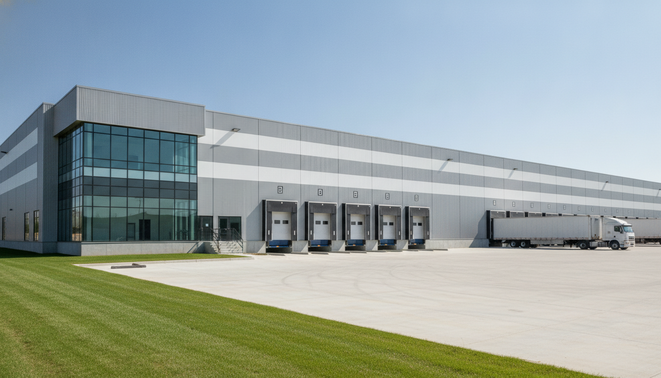
Currently, new supply entering the market features very specific development types. Much of the space under construction consists of build to suit projects. Furthermore, developers are focusing on massive speculative projects across major hubs. These large speculative developments of 200,000 square feet or more attract major corporate tenants. Consequently, companies secure modern spaces to improve their regional supply chains.
However, builders are scaling back on other traditional property types. For example, shallow bay industrial product sees significantly less new construction today. Because of this limited supply, existing smaller warehouses remain highly desirable. Additionally, standard warehouse and distribution facilities face increasing competition for premium land. Instead, builders frequently prioritize highly specialized facilities like modern data centers.
Investors constantly evaluate various asset classes to maximize their financial returns. For instance, some buyers compare commercial properties against alternative investment vehicles. They might analyze multifamily real estate financing to diversify their financial portfolios. Alternatively, investors often explore ways to maximize short term rental profits. Ultimately, the stabilizing commercial sector offers incredibly reliable cash flow opportunities.
Major brokerages track these construction trends to guide future property investments. Firms like Lee & Associates publish comprehensive data on new building deliveries. As a result, property buyers understand exactly where market growth occurs next. Therefore, stabilizing construction volumes directly support healthier rent growth for existing properties. Consequently, the commercial sector remains a dominant force for institutional capital.
CONCLUSION
The U.S. Industrial Market recently achieved a highly favorable state of balance. Consequently, commercial tenant demand successfully outpaced new building deliveries during the second quarter. Therefore, passive investors now enjoy much greater stability across their property portfolios. Furthermore, falling vacancy rates directly support consistent rental income. Ultimately, these stabilizing conditions create highly secure wealth building opportunities.
Passive investors benefit tremendously from this returning market balance. For example, strong leasing activity from major logistics companies ensures reliable tenant occupancy. As a result, commercial property owners face significantly less risk of empty buildings. Additionally, the current slowdown in new construction naturally increases the underlying value of existing warehouse spaces. Thus, allocating capital into commercial real estate remains a highly prudent financial strategy today.
Massive Capital is a private real estate investment firm that helps busy professionals and passive investors build wealth through ownership of income producing commercial real estate. The company acquires, operates, and manages real estate investments across multiple asset classes, including multifamily apartments, industrial properties, and land developments, while providing investors access to opportunities that are traditionally available only to experienced real estate operators and institutional investors. Massive Capital specializes in real estate syndications, pooling investor capital to acquire and manage large scale properties. The firm handles the entire investment lifecycle from sourcing and underwriting opportunities to asset management and eventual disposition allowing investors to participate in real estate ownership without the responsibilities of day to day property management.
Connect with us online:
Frequently Asked Questions (FAQs)
What is driving demand in the U.S. Industrial Market today?
Third party logistics providers currently fuel most tenant interest. These supply chain companies require massive warehouse spaces to operate their distribution networks efficiently. In fact, leasing activity surged dramatically early this year. Owners quickly filled their vacant buildings. This momentum helps anchor the commercial real estate landscape.
How do speculative projects affect the current property supply?
Developers frequently construct speculative facilities without securing tenants beforehand. Recently, builders shifted their attention toward constructing much larger distribution centers. Developments exceeding 200,000 square feet dominate the current construction pipeline. Meanwhile, smaller shallow bay industrial product remains scarce. This targeted building strategy perfectly balances the overall inventory.
Why did the national industrial vacancy rate finally stabilize?
Tenant demand successfully outpaced new building deliveries during the second quarter. Interestingly, this critical metric steadily declined from its peak in late 2024. Landlords now enjoy much healthier occupancy levels. Fewer new completions mean existing properties capture more attention. This stabilization creates excellent financial opportunities.
What role do third party logistics providers play in leasing?
These specialized companies emerged as the largest source of recent commercial leasing volume. Managing complex supply chains requires enormous facilities. Landlords specifically target these reliable corporate tenants to ensure stable cash flow. Securing major operators helps owners significantly reduce their vacancy risks. Their massive requirements consistently drive growth.
Are build to suit projects popular in the U.S. Industrial Market?
Customized construction represents a large portion of new development activity. Companies increasingly require highly specialized facilities, prompting developers to tailor modern buildings. Furthermore, these bespoke properties meet unique tenant needs perfectly. Property owners secure guaranteed long term lease agreements before construction begins. This strategy minimizes financial risk while maximizing rental income.